

Turning forty is a milestone. It’s a time when we often reflect on our lives, our accomplishments, and what we want for the future. But it’s also a time when we need to start paying closer attention to our health. Age is just a number. However, our bodies change as we get older. We become more susceptible to certain health issues.
Don’t worry, this isn’t a doom-and-gloom scenario! Think of it as an opportunity to take charge of your well-being. Make informed choices that will help you thrive for many years to come. In this blog post, we’ll explore the top three health challenges that often arise after forty. We’ll also delve into the reasons behind them. Most importantly, we’ll provide you with actionable steps to stay healthy, energetic, and full of life.
1. Cardiovascular Disease: Protecting Your Heart for a Long and Healthy Life

Cardiovascular disease (CVD) is an umbrella term for a range of conditions that affect the heart and blood vessels. This includes coronary artery disease (the most common type, often leading to heart attacks), stroke, heart failure, and arrhythmias. The statistics are sobering: CVD is a leading cause of death worldwide.
According to the World Health Organization (WHO), an estimated 17.9 million people died from CVDs in 2019, representing 32% of all global deaths. Of these deaths, 85% were due to heart attack and stroke [1]1. While CVD can strike at any age, the risk climbs significantly after forty. This is because the cumulative effects of lifestyle choices and natural aging processes begin to take their toll.
What’s Behind the Rise in CVD Risk?
Several factors contribute to the increased risk of CVD as we age:
- Plaque Buildup: Over time, cholesterol, fat, and other substances can accumulate in the arteries, forming plaque. This plaque narrows the arteries, making it harder for blood to flow through and increasing the risk of blood clots.
- Stiffening of Arteries: As we age, our arteries tend to become less flexible and more rigid. This makes it harder for the heart to pump blood effectively and increases blood pressure.
- Unhealthy Lifestyle Choices: Many of the risk factors for CVD are directly related to lifestyle choices, including:
- Smoking: Damages blood vessels and increases blood pressure.
- Unhealthy Diet: High in saturated and trans fats, cholesterol, sodium, and added sugars, contributing to plaque buildup and weight gain.
- Lack of Physical Activity: Contributes to weight gain, high blood pressure, and poor cholesterol levels.
- Excessive Alcohol Consumption: Can raise blood pressure and contribute to heart failure.
- Other Health Conditions: Conditions like high blood pressure, high cholesterol, and diabetes can significantly increase the risk of CVD.
- Genetics: Family history of heart disease can increase your risk.
Taking Charge: Simple Steps to Protect Your Heart
The good news is that CVD is largely preventable. By making positive lifestyle changes, you can significantly reduce your risk and keep your heart healthy for years to come. Here’s how:
- Embrace a Heart-Healthy Diet: Focus on whole, unprocessed foods. Load up on fruits, vegetables, whole grains, and lean protein sources like fish, poultry, and beans. Limit saturated and trans fats found in red meat, processed foods, and fried foods. Reduce your sodium intake by avoiding processed foods and using less salt when cooking.
- Get Moving: Aim for at least 150 minutes of moderate-intensity aerobic exercise per week. This could include brisk walking, jogging, swimming, cycling, or dancing. Find activities you enjoy to make exercise a sustainable part of your routine.
- Kick the Smoking Habit: Smoking is one of the worst things you can do for your heart. If you smoke, quitting is the single best thing you can do to improve your health. Talk to your doctor about resources and strategies to help you quit.
- Manage Stress: Chronic stress can take a toll on your heart. Find healthy ways to manage stress, such as yoga, meditation, spending time in nature, or pursuing hobbies you enjoy.
- Regular Check-Ups: See your doctor regularly for check-ups, including blood pressure and cholesterol screenings. Early detection and management of risk factors can make a big difference.
2. Type 2 Diabetes: Managing Your Blood Sugar and Staying Healthy
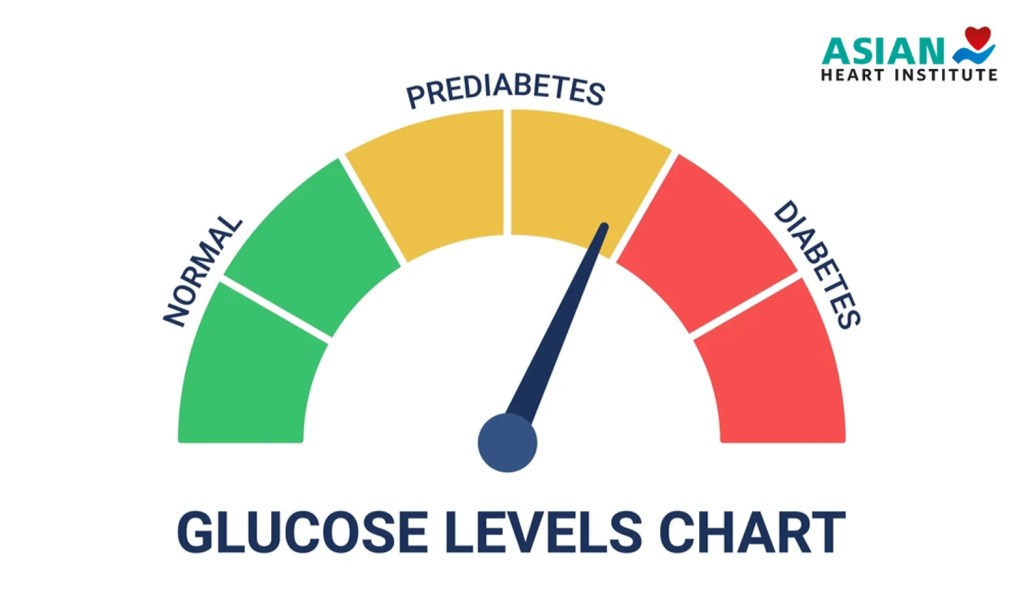
Type 2 diabetes is a chronic condition that affects how your body metabolizes glucose (sugar). In type 2 diabetes, the body either doesn’t produce enough insulin. Alternatively, it becomes resistant to insulin. This leads to elevated blood sugar levels. Over time, high blood sugar can damage organs and tissues throughout the body.
The International Diabetes Federation (IDF) estimates that 537 million adults (20-79 years) are living with diabetes worldwide. The total number of people with diabetes is projected to rise to 643 million by 2030. It is expected to increase to 783 million by 2045 [2]2. As with CVD, the risk of type 2 diabetes increases significantly after forty.
Why Does Diabetes Risk Rise with Age?
Several factors contribute to the increased risk of type 2 diabetes as we age:
- Insulin Resistance: As we age, our bodies become more resistant to the effects of insulin. This means that the pancreas has to work harder to produce enough insulin to keep blood sugar levels in check.
- Weight Gain: Weight gain, particularly around the abdomen, is a major risk factor for type 2 diabetes. Excess abdominal fat interferes with insulin signaling and contributes to insulin resistance.
- Decreased Physical Activity: As we age, we may become less active, leading to weight gain and decreased insulin sensitivity.
- Genetics: Family history of diabetes increases your risk.
Taking Control: Preventing and Managing Type 2 Diabetes
While genetics play a role, lifestyle factors are the primary drivers of type 2 diabetes. By making healthy choices, you can significantly reduce your risk and manage the condition effectively if you’ve already been diagnosed.
- Maintain a Healthy Weight: Losing even a small amount of weight can significantly improve insulin sensitivity. It can also reduce your risk of diabetes. Focus on a balanced diet and regular exercise to achieve and maintain a healthy weight.
- Embrace a Diabetes-Friendly Diet: Focus on whole, unprocessed foods with a low glycemic index. This means choosing foods that don’t cause rapid spikes in blood sugar. Include plenty of fruits, vegetables, whole grains, and lean protein sources. Limit sugary drinks, processed foods, and refined carbohydrates.
- Get Moving Regularly: Aim for at least 150 minutes of moderate-intensity aerobic exercise per week. Resistance training (weightlifting) is also beneficial for improving insulin sensitivity.
- Monitor Your Blood Sugar. If you have risk factors for diabetes, talk to your doctor. It’s important to get regular blood sugar screenings. If you’ve been diagnosed with diabetes, follow your doctor’s recommendations for monitoring your blood sugar levels and managing your condition.
3. Cancer: Reducing Your Risk and Staying Vigilant

Cancer is a complex group of diseases characterized by the uncontrolled growth and spread of abnormal cells. While cancer can occur at any age, the risk of many types of cancer increases significantly after forty. This occurs because exposure to carcinogens (cancer-causing substances) accumulates over time. Additionally, natural aging processes can lead to DNA damage and cellular mutations.
The World Cancer Research Fund International (WCRF) estimates that there were 19.3 million new cancer cases and almost 10.0 million cancer deaths worldwide in 2020 [3]3 . These numbers are daunting. However, it’s important to remember that many cancers are preventable. Early detection significantly improves treatment outcomes.
Why Does Cancer Risk Increase with Age?
Several factors contribute to the increased risk of cancer as we age:
- Cumulative Exposure to Carcinogens: Over time, we are exposed to various carcinogens in our environment, including tobacco smoke, ultraviolet radiation, and certain chemicals. These exposures can damage DNA and increase the risk of cancer.
- Weakening Immune System: As we age, our immune system becomes less effective at identifying and destroying abnormal cells, making us more vulnerable to cancer.
- Cellular Mutations: The risk of cellular mutations increases with age, which can lead to uncontrolled cell growth and cancer development.
- Hormonal Changes: Hormonal changes that occur with age can increase the risk of certain types of cancer, such as breast and prostate cancer.
- Genetics: Family history of cancer can increase your risk.
Taking Action: Preventing Cancer and Detecting It Early
While we can’t eliminate the risk of cancer entirely, there are many things we can do to reduce our risk and detect cancer early when it’s most treatable.
- Get Recommended Cancer Screenings: Talk to your doctor about the cancer screenings that are appropriate for you based on your age, sex, and family history. These may include mammograms for breast cancer, colonoscopies for colorectal cancer, Pap tests for cervical cancer, and prostate-specific antigen (PSA) tests for prostate cancer.
- Adopt a Cancer-Protective Diet: Focus on a diet rich in fruits, vegetables, and whole grains. These foods contain antioxidants and other compounds that can help protect against cancer. Limit red and processed meats, sugary drinks, and processed foods.
- Maintain a Healthy Weight: Obesity is a risk factor for several types of cancer.
- Get Regular Exercise: Physical activity can help reduce the risk of cancer.
- Protect Yourself from the Sun: Limit sun exposure and use sunscreen to protect yourself from skin cancer.
- Avoid Tobacco: Smoking is a major risk factor for many types of cancer.
- Limit Alcohol Consumption: Excessive alcohol consumption can increase the risk of certain cancers.
The Power of Prevention: Embracing a Healthy Lifestyle

Turning forty and beyond is an opportunity to prioritize your health and well-being. The risk of certain health challenges may increase with age. However, you have the power to take control. You can make choices that will help you thrive. Embrace a healthy lifestyle that includes a balanced diet and regular exercise. Manage stress and attend regular check-ups. By doing so, you can significantly reduce your risk of cardiovascular disease. You can lower the chances of type 2 diabetes. Additionally, the risk of cancer and other age-related health problems can be minimized.
Remember, it’s never too late to start making positive changes. Start small, be consistent, and celebrate your progress along the way. Your health is your greatest asset, so invest in it wisely!

References:
 Get Mi Fit