
Are you new to strength training and not sure where to start? This comprehensive guide will help you build a solid foundation. In this post, we’ll cover everything you need to know to begin your strength training journey safely and effectively.
Strength training, also known as resistance training or weight training, is a crucial component of a well-rounded fitness routine. For beginners, starting a strength training program can be both exciting and intimidating. With so much information available, it can be challenging to know where to begin. This ultimate guide aims to demystify strength training for beginners, providing you with the knowledge and confidence needed to embark on your fitness journey. We’ll cover why strength training is important, the fundamental principles, beginner-friendly exercises, how to create an effective routine, and tips for long-term success.
Why Strength Training is Important
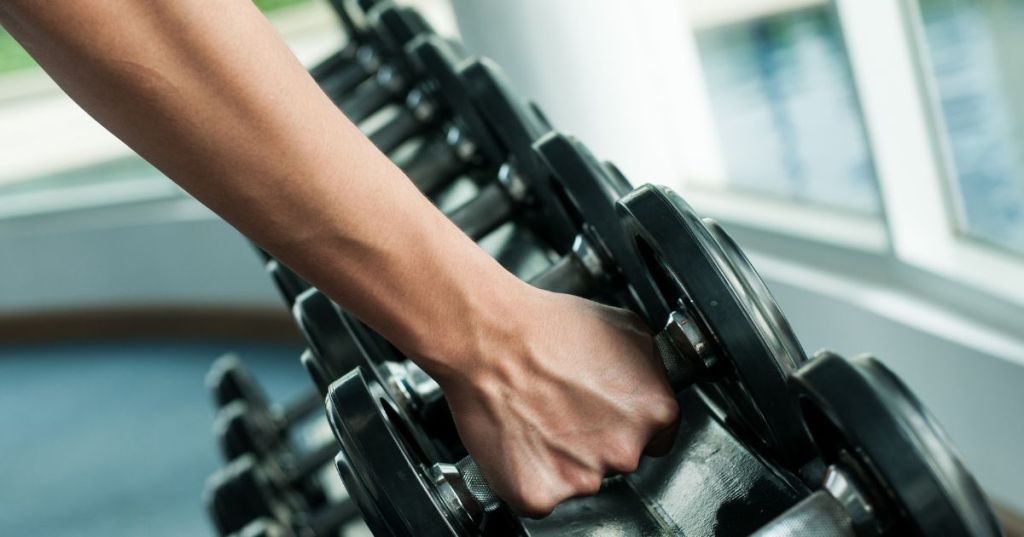
Enhances Muscle Mass and Strength
One of the most obvious benefits of strength training is the increase in muscle mass and strength. As you progressively challenge your muscles with resistance exercises, they adapt by growing stronger and larger. This not only improves your physical appearance but also enhances your functional strength, making daily tasks easier.
Supports Bone Health
Strength training plays a vital role in maintaining and improving bone density. This is particularly important as we age since bone density tends to decrease over time, increasing the risk of osteoporosis and fractures. Weight-bearing exercises stimulate bone growth and help prevent bone loss.

Boosts Metabolism
Muscle tissue is metabolically active, meaning it burns more calories at rest compared to fat tissue. By increasing your muscle mass through strength training, you can boost your resting metabolic rate, making it easier to maintain a healthy weight and burn calories more efficiently.
Improves Mental Health
Exercise, including strength training, has been shown to have numerous mental health benefits. It can reduce symptoms of anxiety and depression, improve mood, and enhance overall mental well-being. The sense of accomplishment and empowerment gained from lifting weights can also boost self-esteem and confidence.
Enhances Joint Health and Stability
Strength training strengthens the muscles, tendons, and ligaments surrounding your joints, which can improve joint stability and reduce the risk of injuries. This is especially beneficial for individuals with arthritis or those recovering from joint-related injuries.

Supports Cardiovascular Health
While strength training is primarily focused on building muscle, it also offers cardiovascular benefits. Regular strength training can improve heart health by reducing blood pressure, improving cholesterol levels, and enhancing overall cardiovascular function.
Principles of Strength Training
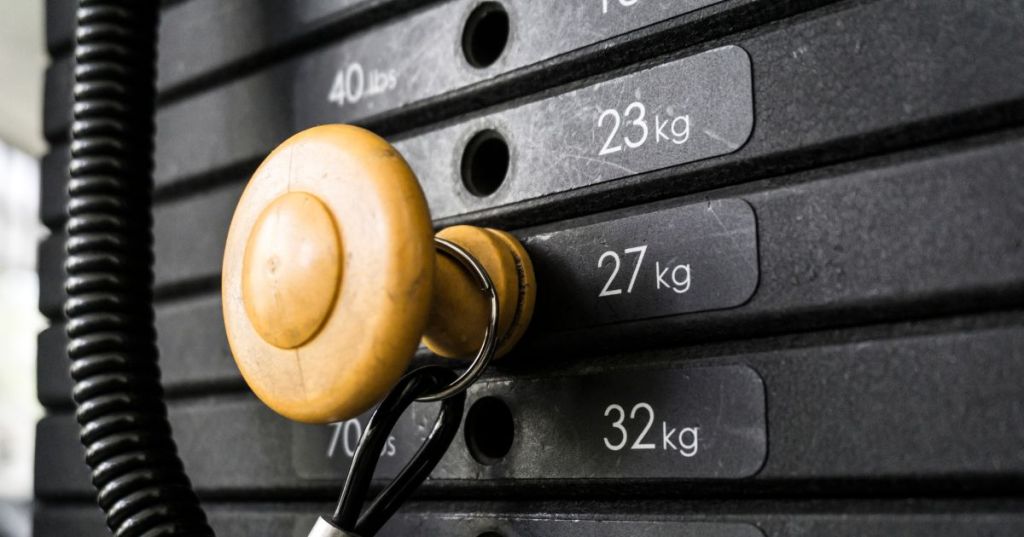
Progressive Overload
The principle of progressive overload is fundamental to strength training. It involves gradually increasing the resistance or intensity of your workouts to continue challenging your muscles. This can be achieved by increasing the weight lifted, the number of repetitions, or the volume of your workouts over time.
Specificity
Specificity refers to the idea that your training should be tailored to your specific goals. For example, if your goal is to build upper body strength, your workout routine should include exercises that target the muscles in your upper body. Similarly, if you’re training for a specific sport, your exercises should mimic the movements and demands of that sport.
Recovery
Recovery is a crucial component of any strength training program. When you lift weights, you create small tears in your muscle fibers. It’s during the recovery period that these fibers repair and grow stronger. Ensuring adequate rest and recovery between workouts is essential to prevent overtraining and promote muscle growth.
Variation
Incorporating variety into your strength training routine can help prevent plateaus and keep your workouts interesting. This can include changing your exercises, altering the number of sets and reps, or varying the weight and intensity. Variation can also help target different muscle groups and reduce the risk of overuse injuries.
Proper Form and Technique
Using proper form and technique is crucial for preventing injuries and ensuring the effectiveness of your workouts. It’s important to learn the correct way to perform each exercise and avoid using momentum or incorrect body mechanics. Starting with lighter weights and gradually increasing as you master the form can help build a solid foundation.
Beginner-Friendly Exercises
Bodyweight Exercises
Bodyweight exercises are a great starting point for beginners as they require no equipment and can be done anywhere. They help build a strong foundation and improve functional strength.
- Squats: Squats are a fundamental lower body exercise that targets the quadriceps, hamstrings, and glutes. Stand with your feet shoulder-width apart, lower your body by bending your knees and hips, and then return to the starting position.
- Push-Ups: Push-ups target the chest, shoulders, and triceps. Start in a plank position with your hands shoulder-width apart. Lower your body until your chest nearly touches the floor, then push back up.
- Lunges: Lunges work the legs and glutes. Step forward with one leg and lower your hips until both knees are bent at about 90 degrees. Return to the starting position and repeat with the other leg.
- Planks: Planks strengthen the core muscles. Start in a push-up position, but rest on your forearms instead of your hands. Keep your body in a straight line from head to heels and hold the position.
Dumbbell Exercises
Dumbbells are versatile and accessible for beginners. They allow for a wide range of exercises and are excellent for building strength.
- Dumbbell Bench Press: This exercise targets the chest, shoulders, and triceps. Lie on a bench with a dumbbell in each hand, press the weights up until your arms are fully extended, then lower them back down.
- Dumbbell Rows: Rows target the upper back and biceps. Place one hand and knee on a bench, hold a dumbbell in the opposite hand, and pull the weight towards your hip while keeping your back flat.
- Dumbbell Deadlifts: Deadlifts work the lower back, glutes, and hamstrings. Hold a dumbbell in each hand, bend at the hips and knees, and lower the weights to the ground. Return to standing by straightening your hips and knees.
- Shoulder Press: This exercise targets the shoulders and triceps. Hold a dumbbell in each hand at shoulder height, press the weights overhead, and then lower them back down.
Resistance Band Exercises
Resistance bands are portable, affordable, and great for beginners. They provide constant tension throughout the movement, which can be beneficial for muscle growth.
- Band Squats: Stand on a resistance band with feet shoulder-width apart, hold the handles at shoulder height, and perform a squat.
- Band Rows: Anchor the band at a low point, hold the handles, and pull them towards your torso while keeping your back straight.
- Band Chest Press: Anchor the band behind you at chest height, hold the handles, and press forward like a bench press.
- Band Bicep Curls: Stand on the band, hold the handles with palms facing up, and curl your hands towards your shoulders.

Creating a Routine
Assess Your Fitness Level
Before starting any strength training program, it’s essential to assess your current fitness level. This includes identifying any limitations, injuries, or medical conditions that may affect your ability to exercise. Consulting with a healthcare professional or fitness expert can provide valuable guidance.
Set Clear Goals
Establishing clear, achievable goals is crucial for staying motivated and tracking progress. Your goals might include increasing muscle mass, improving strength, losing weight, or enhancing overall fitness. Make sure your goals are specific, measurable, attainable, relevant, and time-bound (SMART).
Start with a Warm-Up
A proper warm-up is essential to prepare your body for the workout ahead. It increases blood flow to the muscles, raises your heart rate, and reduces the risk of injury. A good warm-up includes 5-10 minutes of light aerobic activity such as brisk walking, jogging, or jumping jacks, followed by dynamic stretching.

Plan Your Workouts
A well-structured workout plan should include a variety of exercises that target all major muscle groups. For beginners, it’s advisable to start with full-body workouts performed two to three times per week, with at least one day of rest between sessions. As you progress, you can increase the frequency and split your workouts to focus on different muscle groups.
Sample Weekly Routine for Beginners:
Day 1: Full-Body Workout
- Squats: 3 sets of 10-12 reps
- Push-Ups: 3 sets of 8-10 reps
- Dumbbell Rows: 3 sets of 10-12 reps
- Planks: 3 sets of 30 seconds
Day 2: Rest or Light Activity
- Light cardio or stretching
Day 3: Full-Body Workout
- Lunges: 3 sets of 10-12 reps per leg
- Dumbbell Bench Press: 3 sets of 10-12 reps
- Resistance Band Rows: 3 sets of 10-12 reps
- Band Bicep Curls: 3 sets of 10-12 reps
Day 4: Rest or Light Activity
- Light cardio or stretching
Day 5: Full-Body Workout
- Dumbbell Deadlifts: 3 sets of 10-12 reps
- Shoulder Press: 3 sets of 10-12 reps
- Band Squats: 3 sets of 10-12 reps
- Planks: 3 sets of 30 seconds
Day 6 and 7: Rest or Active Recovery
- Engage in light activities like walking, yoga, or stretching
Progress Gradually
As you become more comfortable with your routine, it’s important to gradually increase the intensity to continue challenging your muscles. This can be done by increasing the weight, adding more sets or reps, or incorporating more advanced exercises. However, it’s crucial to progress at a pace that suits your individual capabilities and avoids overtraining.
Cool Down and Stretch
A proper cool-down helps your body recover and reduces muscle soreness. After your workout, spend 5-10 minutes performing light aerobic activity followed by static stretching.
 Get Mi Fit